Tag: BASF

BASF to supply hydrogen-based ammonia to OCI’s Geleen fertiliser plant

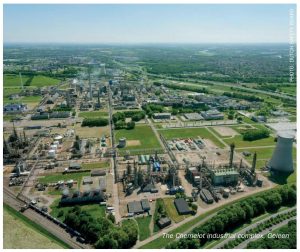
BASF and OCI Global have agreed for the first deliveries of renewable ammonia produced at BASF’s site in Ludwigshafen in order to produce low-carbon fertilizers at OCI’s site in Geleen. This initiative expands OCI’s low-carbon portfolio and introduces the “Pure” product line, delivering the same fertilizer quality at a substantially reduced carbon footprint without compromising on performance. BASF says that its renewable ammonia is certified according to ISCC PLUS and is produced using a mass balance approach, through which renewable energy-derived hydrogen is attributed to the renewable ammonia grades.

BASF and Yara end low carbon ammonia project

BASF and Yara International ASA say that they have jointly decided to discontinue their project to develop a 1.4 million t/a low-carbon ammonia production facility with carbon capture and storage in the US Gulf Coast region. The companies say that this decision reflects their “commitment to focus on initiatives with the highest potential to achieve their respective value creation goals.” Yara will continue its ammonia strategy as previously communicated, evaluating and maturing equity investment opportunities in US ammonia to determine the optimal project portfolio.

People

BASF Corporation has appointed Heather Remley as its new president and chief executive officer, effective April 1, 2025. She takes the helm of the North American arm of BASF SE, one of the world’s largest chemical companies. Remley has a background in global leadership and operations. Most recently, she was president of BASF’s global engineering services division in Ludwigshafen, Germany. Before that, she led the company’s North American petrochemicals business as senior vice president in Houston. Since joining BASF in 2016, she has held key positions across the US, China, and Germany.

New SOP capacity – reality bites

The prospect of a drastic expansion in potassium sulphate production has been linked to a plethora of projects in Australia, Ethiopia, and Eritrea. These have sought to take advantage of market tightness and high price premiums. Yet investor interest in supposedly promising projects has waned over the last few years. In this insight article, CRU’s Alexander Chreky explains the reasons behind the high project failure rate, as well as highlighting some limited successes.