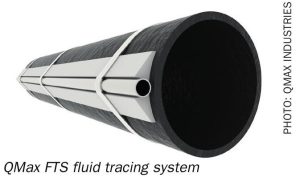
Engineered heat tracing for sulphur safety
QMax Industries explains why engineered heat tracing is vital to keep molten sulphur safe, preventing solidification, blockages, overpressure, toxic vapours and ignition hazards.


QMax Industries explains why engineered heat tracing is vital to keep molten sulphur safe, preventing solidification, blockages, overpressure, toxic vapours and ignition hazards.

Digitalisation brings with it a fresh set of issues as well as opportunities for safety management.
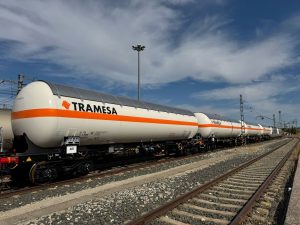
Rail, road, ship or pipelines all bring different benefits and risks to long distance transport of ammonia, but the fundamentals of ammonia safety remain a constant.
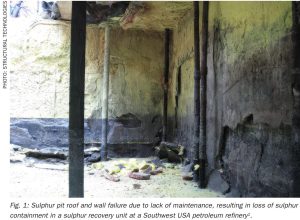
Structural Technologies outlines practical inspection, assessment, and repair strategies to maintain below-grade sulphur pits to help owner/operators maintain serviceability, extend asset life, and avoid costly process interruptions.
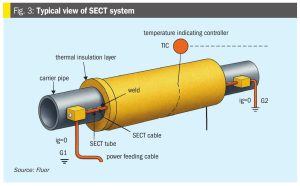
Fluor discusses the unique challenges associated with transporting liquid sulphur through pipelines and presents key design considerations and operational strategies that enable safe, continuous and reliable long-distance operation.
Sulphur degassing reduces hydrogen sulphide content in molten sulphur, which lowers toxic exposure risk, reduces the likelihood of explosive headspace conditions, and improves downstream handling.
Stamicarbon outlines key strategies and considerations for successful nitric acid plant revamps, including capacity enhancement, emission control, energy optimisation, and safety improvements.
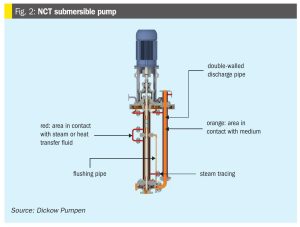
Liquid sulphur is a critical industrial feedstock, but its safe transfer is technically demanding. Dickow Pumpen maintains that reliable handling depends on a whole-system approach – integrating heating, piping, sealing, and operating procedures.

Deendayal Port Authority says it has completed India’s first methanol bunkering demonstration at Kandla port, furthering its port bunkering capabilities and alternative fuels provision aims. The authority says that the shore-to-ship methanol transfer marks a milestone for port infrastructure development aligned with maritime decarbonisation goals. Conducted on 2 April, the trial brought together multiple industry partners to validate operational readiness and safety procedures for handling alternative fuels within a working port environment.
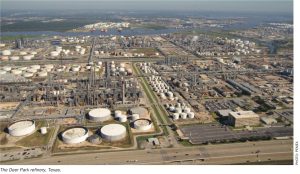
The US Chemical Safety and Hazard Investigation Board (CSB) has released its final investigation report into the fatal release of hydrogen sulphide at the PEMEX Deer Park Refinery in Texas in October 2024.